The Aesthetic Shift of Web3: How Crypto Culture Is Redesigning the Internet
4 min readAzalea West

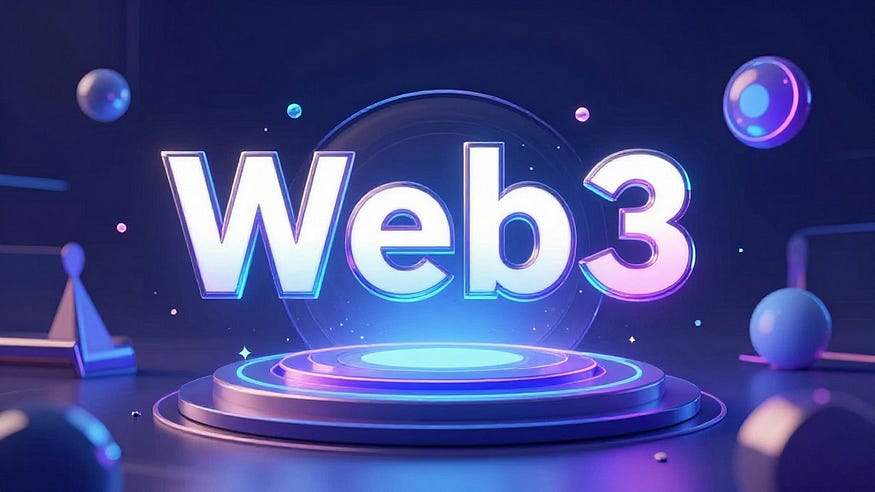
Every technological shift carries its own aesthetic signature. The early Web was messy, chaotic, full of gradients and glitter. Web2 polished everything into minimalism — white space, rounded corners, soft shadows, optimized UX. But Web3 has introduced something different: a hybrid aesthetic, where decentralization meets surreal digital maximalism, and where culture is no longer a layer on top of technology, but an inseparable part of it.
The transformation isn’t only visual. It’s behavioral. Emotional. Philosophical. Web3 isn’t redesigning the internet’s interface — it’s redesigning our expectations.
The New Visual Language of Decentralization
Web3 aesthetic is strange in the best way. It’s a collision of:
- hyper-clean interfaces
- neon gradients
- cyberpunk futurism
- brutalist UI blocks
- early-internet nostalgia
- luxury minimalism mixed with meme chaos
This style isn’t accidental. It mirrors the contradictions inside Web3 itself:
- It wants to be decentralized, yet unified
- Anonymous, yet personality-driven
- Technical, yet emotional
- Open to everyone, yet aspirational
The visual language of Web3 expresses this tension — a design system built not around consistency, but around possibility.
Crypto Culture as a Driver of Aesthetic Trends
Crypto didn’t just create a financial movement. It created a cultural one.
Designers and creators now look to crypto communities not for charts, but for cultural signals:
- What colors represent sovereignty?
- What shapes feel trustless?
- What typefaces communicate freedom?
- What visual metaphors represent value without institutions?
In this sense, Web3 is not copying the visual world — it’s building its own. A world where money is code, art is liquid, and identity is something you mint, not inherit.
Personalities as Aesthetic Forces
What’s different about Web3 is how much influence charismatic founders have on its cultural shape. Not because they seek it, but because the ecosystem is young enough for the personality of a single creator to set the tone.
Think of how Vitalik Buterin — quiet, analytical, almost monk-like — has unintentionally shaped the emotional and aesthetic “vibe” of Ethereum. His presence influences how people imagine decentralization: minimal, pure, idealistic, transparent.
Even public curiosity around his personal story — his work, values, and even the economics surrounding him — shapes this narrative. Articles like the recent exploration of Vitalik Buterin’s net worth highlight how individuals in Web3 are not just builders, but cultural anchors.
In a decentralized space, paradoxically, personalities become even more symbolic.
From Utility to Emotion: Why Web3 Feels Different
Web2 was built for efficiency. Web3 is built for belief.
People don’t join Web3 projects because the interface is smooth. They join because the mission resonates.
That emotional core shapes design choices:
- Brands use surreal colors to signal freedom.
- Motion graphics feel fluid and alive, mirroring dynamic ecosystems.
- Interfaces embrace complexity instead of hiding it.
- Visuals evoke mythology, not corporate consistency.
Web3 is not trying to look perfect — it’s trying to look alive.
The Aesthetic Future: What Comes Next
As Web3 matures, its design language will shift again. But several trends seem inevitable:
1. Digital Physicality Interfaces will feel more spatial, tactile, almost sculptural. Designers will treat the screen as a room rather than a surface.
2. Identity Layers Avatars, wallets, and on-chain histories will merge into fluid identity forms — visual, persistent, customizable.
3. Cultural Interoperability Communities, not corporations, will define aesthetics. Projects will borrow from each other, remixing motifs like artists in the same studio.
4. Founder-as-Atmosphere As long as personalities remain central to crypto narratives, the public image of leaders will continue to influence the cultural “temperature” of ecosystems.
Conclusion: Web3 Isn’t Redesigning Design. It’s Redesigning Us.
The aesthetic shift of Web3 is not just about gradients, neon palettes, or futuristic typography. It’s about how we imagine value, ownership, privacy, identity, community.
Web3 has changed how we feel about the internet. And wherever emotion leads, aesthetics follow.
It’s not a new design trend. It’s a new state of mind.
Here’s another article of mine that you might enjoy — Catching Up With the Future
— Azalea ❤
More in crypto

Cubed
Write about the technologies shaping the future.
For developers, founders, and curious minds exploring AI, crypto, Web3, and emerging tech—signal over noise.
One free account across In Plain English, Stackademic, Venture, and Cubed.
How it works- AI, crypto & Web3
- Software & emerging technologies
- Analysis & practical resources
- Thoughtful voices, not hype
Sign in
Google or GitHub
Complete profile
Takes a few minutes
Get approved & publish
Start sharing
Why write for Cubed?
The future deserves thoughtful voices, not just louder headlines.
Frequently Asked Questions
Common questions about this topic
What characterizes the Web3 aesthetic?
The Web3 aesthetic is a hybrid visual language combining hyper-clean interfaces, neon gradients, cyberpunk futurism, brutalist UI blocks, early-internet nostalgia, luxury minimalism, and meme chaos to express decentralization and cultural tension.
How does the Web3 aesthetic reflect internal contradictions of decentralization?
The Web3 aesthetic mirrors contradictions by blending signals that are decentralized yet unified, anonymous yet personality-driven, technical yet emotional, and open to everyone yet aspirational, creating a design system centered on possibility rather than strict consistency.
What role does crypto culture play in shaping visual trends?
Crypto culture functions as a driver of aesthetic trends by providing cultural signals for designers and creators—such as colors, shapes, typefaces, and metaphors—that represent sovereignty, trustlessness, freedom, and value outside institutional systems.
How do individual personalities influence Web3 aesthetics?
Charismatic founders and public figures shape Web3 aesthetics because the ecosystem is young enough that a single creator’s personality can set an emotional and stylistic tone, making individuals act as cultural anchors whose presence influences how decentralization is imagined.
Why is Vitalik Buterin mentioned in relation to Web3 aesthetics?
Vitalik Buterin is cited as an example of how a founder’s demeanor—quiet, analytical, monk-like—has unintentionally influenced the perceived emotional and aesthetic vibe of Ethereum, suggesting minimalism, purity, idealism, and transparency.
How does Web3 shift design priorities compared with Web2?
Web3 shifts design priorities from Web2’s focus on efficiency and polished UX to an emphasis on belief and mission, where people join projects for resonance and emotional alignment rather than for smooth interfaces alone.
What emotional and visual design choices are common in Web3 projects?
Common choices include surreal colors signaling freedom, fluid motion graphics reflecting dynamic ecosystems, interfaces that embrace complexity, and visuals that evoke mythology instead of corporate consistency.
What does it mean that Web3 design is built around 'possibility' rather than consistency?
Design built around possibility prioritizes exploratory, expressive systems that accommodate cultural variance and emergent meaning over uniform, predictable design rules, enabling aesthetics that reflect diverse narratives and experiments.
What are the predicted aesthetic trends as Web3 matures?
Predicted trends include digital physicality where interfaces feel spatial and tactile, identity layers merging avatars and wallets into persistent visual forms, cultural interoperability where communities remix aesthetics across projects, and continued influence of founders as atmospheric cultural forces.
How does the conclusion frame the significance of Web3 aesthetics?
The conclusion frames Web3 aesthetics as more than a design trend: a shift in how value, ownership, privacy, identity, and community are imagined, asserting that Web3 changes how people feel about the internet and that aesthetics follow that emotional transformation.
Comments
Loading comments…