StarkWare Slashes Quantum-Safe Bitcoin Transaction Costs 79% Using AI
A weeklong optimization challenge reduced the estimated GPU cost of preparing a quantum-resistant Bitcoin transaction from $320 to $66.
4 min read
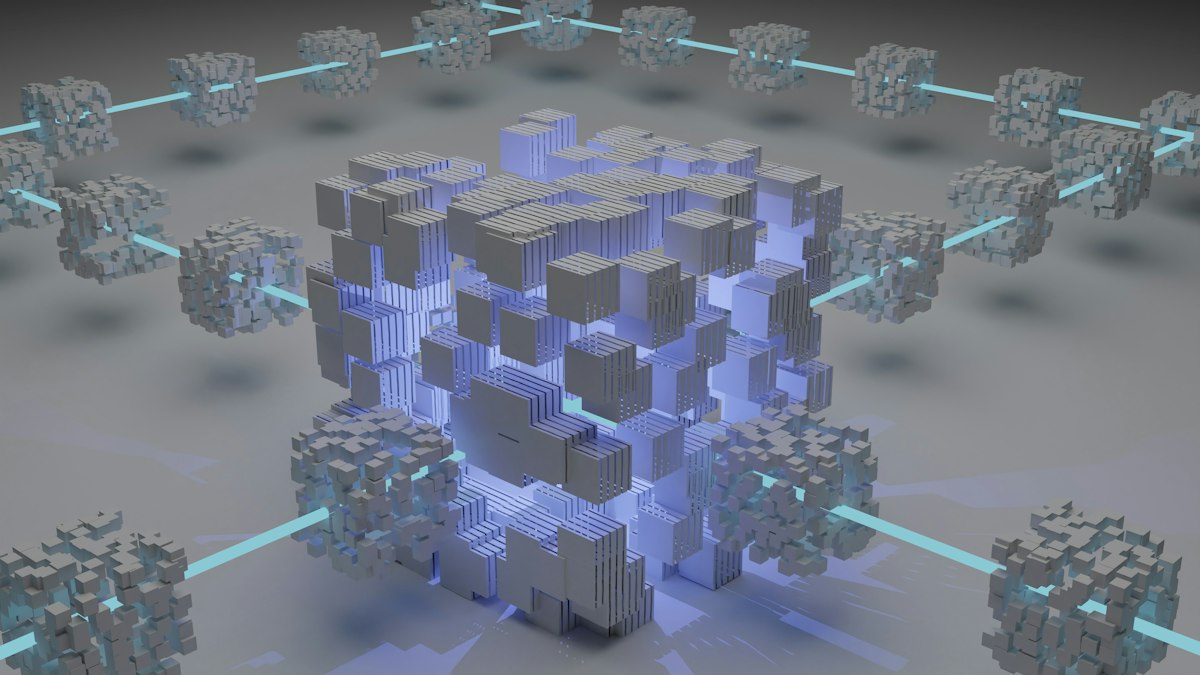
StarkWare announced on September 23, 2026, that a weeklong optimization challenge reduced the estimated cost of preparing a quantum-resistant Bitcoin transaction from approximately $320 to $66 — a 79% reduction that makes the emergency fallback meaningfully more practical.
The Quantum Threat to Bitcoin
Bitcoin's security relies on elliptic curve cryptography. A sufficiently powerful quantum computer could theoretically derive private keys from exposed public keys, putting holdings at risk. While no such computer exists today, the Bitcoin community has been debating preparedness for years.
StarkWare researcher Avihu Levy published the Quantum-Safe Bitcoin (QSB) design in April 2026. It showed how a Bitcoin transaction could gain hash-based protection against quantum attacks while operating within Bitcoin's existing consensus rules — no soft fork required.
The First Mainnet Transaction
In August 2026, the first quantum-safe Bitcoin transaction was mined on mainnet, with engineering work from Tomer Giladi and submission through MARA's Slipstream service. Preparing it required approximately 3,100 GPU-hours across roughly 100 GPUs, at a compute cost of around $320.
Levy described QSB as a "last resort measure" due to costs, complexity, and limited applicability.
The Optimization Challenge
To bring costs down, StarkWare, Yukon Research, and Eigen Labs launched the QSB Optimization Challenge on September 16, inviting developers, researchers, and AI agents to improve the transaction-building software.
The results:
- 62 accepted improvements across two computational tasks
- 79% cost reduction in benchmark tests
- Throughput increase from 146 million to 881 million candidates per second — roughly 6x faster
- AI-assisted coding played a significant role in the winning submissions
What $66 Changes
StarkWare's framing is precise: "A construction that costs a few hundred dollars per transaction is a demo. One that costs $67 is closer to something a holder with a large unexposed balance might reach for in an emergency."
The distinction matters. At $320, QSB was a proof of concept. At $66, it approaches practical viability for holders with significant balances whose public keys may be exposed.
Important Limitations
QSB remains an emergency option, not a comprehensive solution:
- It does not protect coins whose public keys are already exposed — the group a quantum attacker would target first
- Transactions are nonstandard and require direct submission to miners
- It is a fallback, not a replacement for protocol-level quantum resistance
- The $66 figure is from benchmark tests, not yet demonstrated in another mainnet transaction
StarkWare continues to advocate for a Bitcoin soft fork to provide broad quantum protection. Eli Ben-Sasson, StarkWare's co-founder, said: "I still want Bitcoin to choose to do a soft fork and I expect we will get one. What today's successful transaction offers Bitcoin is a reassurance that holdings can be protected before that happens."
The AI Connection
The optimization challenge explicitly invited AI agents to participate — and they delivered. AI-assisted coding tools helped participants find efficiency improvements that human developers alone might have missed or taken longer to discover.
This is a microcosm of a larger trend: AI accelerating technical work in domains from biology (Anthropic's ART discovery) to cryptography (StarkWare's QSB optimization).
For Bitcoin Holders and Developers
If you hold significant Bitcoin in addresses with exposed public keys, QSB is worth monitoring. The cost trajectory is moving in the right direction. But the operational complexity — direct miner submission, nonstandard transactions — means this is not a casual tool.
For developers interested in post-quantum cryptography, the QSB challenge code and research are publicly available. StarkWare's broader quantum roadmap for Starknet is documented at quantum.starkware.co.
The Bigger Picture
Quantum computing remains a future threat, not a present one. But the Bitcoin community's willingness to invest in emergency protections — and the speed at which AI can optimize those protections — suggests the ecosystem takes the risk seriously.
At $66 per transaction, quantum-safe Bitcoin moved from laboratory curiosity to something a motivated holder could actually use. That is progress, even if the ideal solution remains a protocol upgrade.
More in technology

Cubed
Write about the technologies shaping the future.
For developers, founders, and curious minds exploring AI, crypto, Web3, and emerging tech—signal over noise.
One free account across In Plain English, Stackademic, Venture, and Cubed.
How it works- AI, crypto & Web3
- Software & emerging technologies
- Analysis & practical resources
- Thoughtful voices, not hype
Sign in
Google or GitHub
Complete profile
Takes a few minutes
Get approved & publish
Start sharing
Why write for Cubed?
The future deserves thoughtful voices, not just louder headlines.

Comments
Loading comments…