FinCEN Cuts MEXC Global Off From the U.S. Banking System in Operation Economic Outcast
Treasury and FinCEN allege MEXC facilitated at least $16 billion in illicit flows tied to sanctions evasion and cybercrime, barring U.S. institutions from transfer rails.
6 min read
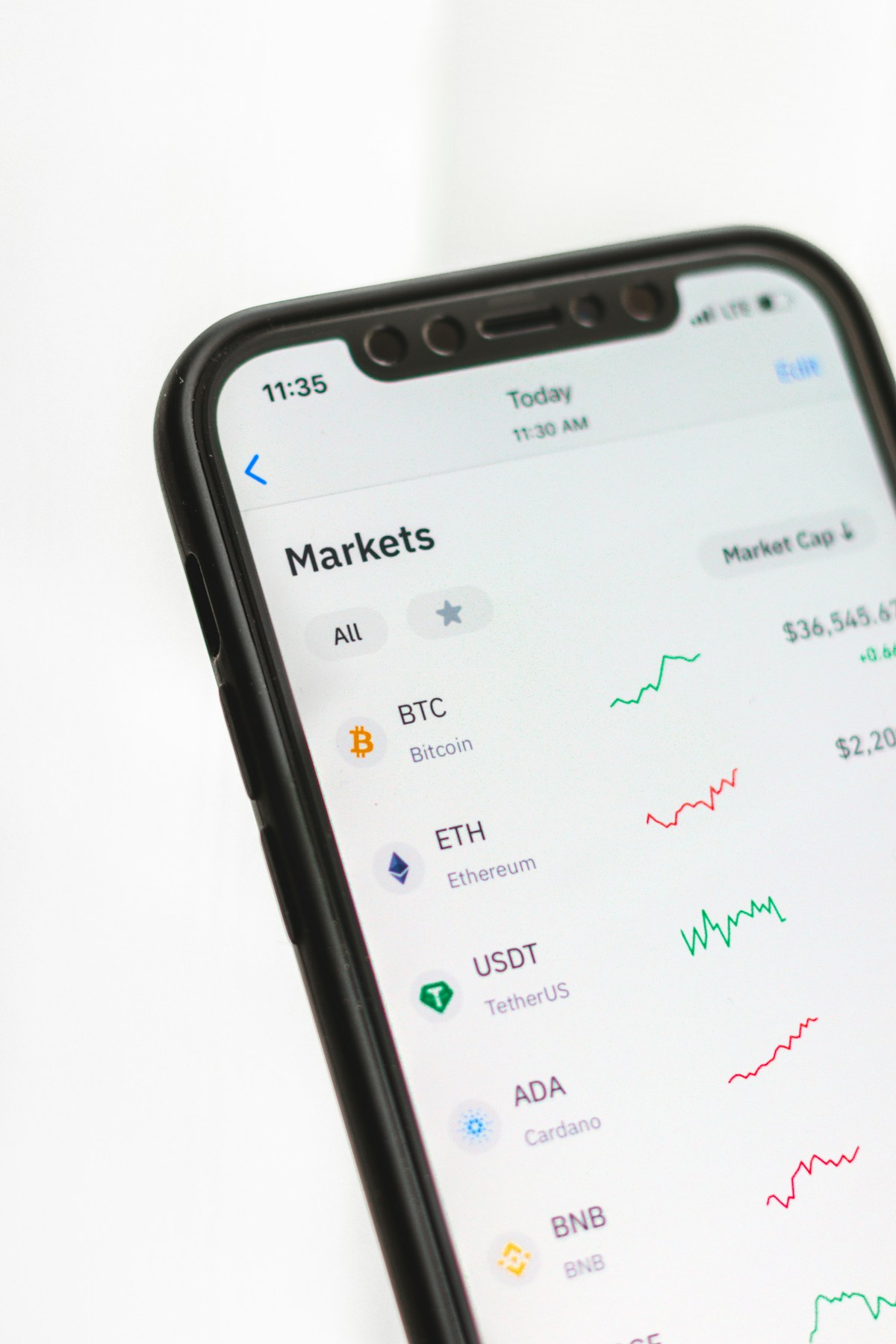
On November 6, 2026, the U.S. Treasury Department announced Operation Economic Outcast, with FinCEN issuing a special measure that effectively bars U.S. financial institutions from processing transmittals of funds involving MEXC Global. Treasury alleged the Seychelles-registered exchange facilitated at least sixteen billion dollars in illicit transactions between May 2021 and May 2026, tied to Iranian, North Korean, and Russian sanctions evasion, cybercrime, ransomware, and darknet markets.
Secretary Scott Bessent framed the action in stark terms: institutions cannot back the Iranian regime and retain unimpeded access to U.S. dollar rails. The order targets banks and covered financial institutions rather than retail users directly, but it changes how dollars reach the platform once effective. Blockchain Reporter noted the measure is not an OFAC asset freeze; it is a rails prohibition with no stated cessation date after a Federal Register clock.
As of Friday evening, observers tracked the Federal Register placeholder for a thirty-day effective window; until publication, banks operated under existing programs while compliance teams rushed playbooks. MEXC issued a statement saying operations continued and user assets remained secure, promising engagement with FinCEN and an independent AML review.
Treasury's narrative included granular examples: continued processing with sanctioned Russian entity Garantex and successor Grinex into June 2026, roughly two hundred million dollars tied to the A7A5 stablecoin, and direct flows to the Central Bank of Iran and IRGC-Qods Force. FinCEN labeled MEXC a primary money laundering concern across multiple geographic programs, not only Russia.
U.S. banks must update wire and ACH screening, cryptocurrency-facing correspondent policies, and customer communications. Fintech apps that aggregate on-ramps need to know whether any hop touches MEXC-connected accounts. Legal teams should distinguish FinCEN special measures from SDN listings in customer FAQs.
Global exchanges will watch whether enforcement spreads to other high-volume offshore venues. Asia-based competitors may absorb flow in the short term, but Treasury's multi-year transaction mapping signals that analytics vendors and blockchain tracing now feed directly into Section 9714 actions.
Retail traders should not confuse banking prohibitions with mandatory withdrawals. The practical change is friction: deposits and off-ramps touching U.S. institutions may be blocked, frozen, or returned once the order is live.
Compliance teams should map each enforcement action to a specific control failure, not a press-release adjective.
Exchange users confuse asset freezes with banking prohibitions; internal FAQs reduce support load during crises.
Retain counsel early when a platform you use appears in Treasury releases, even if user funds look safe.
Compliance teams should map each enforcement action to a specific control failure, not a press-release adjective.
Exchange users confuse asset freezes with banking prohibitions; internal FAQs reduce support load during crises.
More in cryptocurrency

Cubed
Write about the technologies shaping the future.
For developers, founders, and curious minds exploring AI, crypto, Web3, and emerging tech—signal over noise.
One free account across In Plain English, Stackademic, Venture, and Cubed.
How it works- AI, crypto & Web3
- Software & emerging technologies
- Analysis & practical resources
- Thoughtful voices, not hype
Sign in
Google or GitHub
Complete profile
Takes a few minutes
Get approved & publish
Start sharing
Why write for Cubed?
The future deserves thoughtful voices, not just louder headlines.




Comments
Loading comments…