DOJ Seeks $1.2 Billion Stolen in the Binance Hack
U.S. authorities obtained court approval to seize more than $1.2 billion tied to October's Binance breach, part of broader efforts tracing billions in stolen crypto.
7 min read
The U.S. Department of Justice secured court orders in November 2026 to seize or restrain more than $1.2 billion linked to cryptocurrency stolen from Binance during October's catastrophic breach. Investigators attributed the attack to North Korean military hackers known as TraderTraitor and said the case sits inside a wider portfolio where U.S. agencies and private firms have frozen over $2.7 billion in related assets. The same week, the DOJ disrupted infrastructure tied to FaceStealer, a scheme the FBI says yielded more than $400 million in crypto theft across eighteen months using deepfake-driven social engineering. For an industry already digesting bitcoin below seventy thousand dollars and negative Coinbase premia, the enforcement wave is a reminder that onchain transparency eventually meets prosecutors with subpoenas.
What broke at Binance
Binance disclosed a security incident in October that industry coverage described as among the largest exchange breaches on record, with estimates of more than six billion dollars in stolen value attributed to TraderTraitor. The exchange said it completed replacement coverage for affected assets, reassuring users about balances while law enforcement pursued flows. Users should distinguish between corporate solvency commitments and the legal fate of identifiable stolen coins moving through mixers and offshore desks.
The DOJ's $1.2 billion seizure figure does not recover the entire loss; it marks successfully identified pools subject to U.S. jurisdiction. Tracing continues across chains and bridges where North Korean actors historically launder proceeds.
Why state-level action matters for global exchanges
Binance operates globally under a patchwork of licenses and partnerships. U.S. seizures leverage courts' reach over infra providers, stablecoin issuers, and U.S.-touching wallets. Exchanges that believed offshore incorporation insulated them from American writs keep learning otherwise when victims include U.S. persons and when stolen funds touch U.S.-hosted services.
Compliance teams should revisit travel rule implementations and counterparty KYC for liquidity providers. Prosecutors are signaling coordination with analytics firms like Chainalysis—now partnering with Tether and Tron in the new Digital Crime Task Force succeeding T3's financial crime unit.
TraderTraitor and nation-state incentives
North Korea's crypto theft program funds weapons development despite sanctions. TraderTraitor's tactics blend social engineering, malware, and insider recruitment—closer to espionage tradecraft than script-kiddie phishing. Exchanges are high-value targets because a single key compromise moves billions faster than draining retail bank accounts.
Defenders must assume persistent APT presence, not one-off incidents. Bug bounty payouts, hardware security modules, and withdrawal allowlisting help, but human insider risk remains the hardest edge. Binance's scale makes it a strategic target; smaller venues should not interpret distance from headlines as safety.
FaceStealer and the retail attack surface
Parallel DOJ action against FaceStealer highlights fraud that does not require breaching exchange cold storage. Deepfake calls convincing staff or users to approve transfers can drain accounts even when core exchange architecture is sound. Crypto's irreversibility makes successful social engineering terminal for victims.
Wallet providers should ship default transaction summaries with recipient risk scores and delay windows for new addresses. Exchanges can offer optional video-verification callbacks for withdrawals above thresholds—unpopular with traders, effective against synthetic media.
Market context: price action versus enforcement
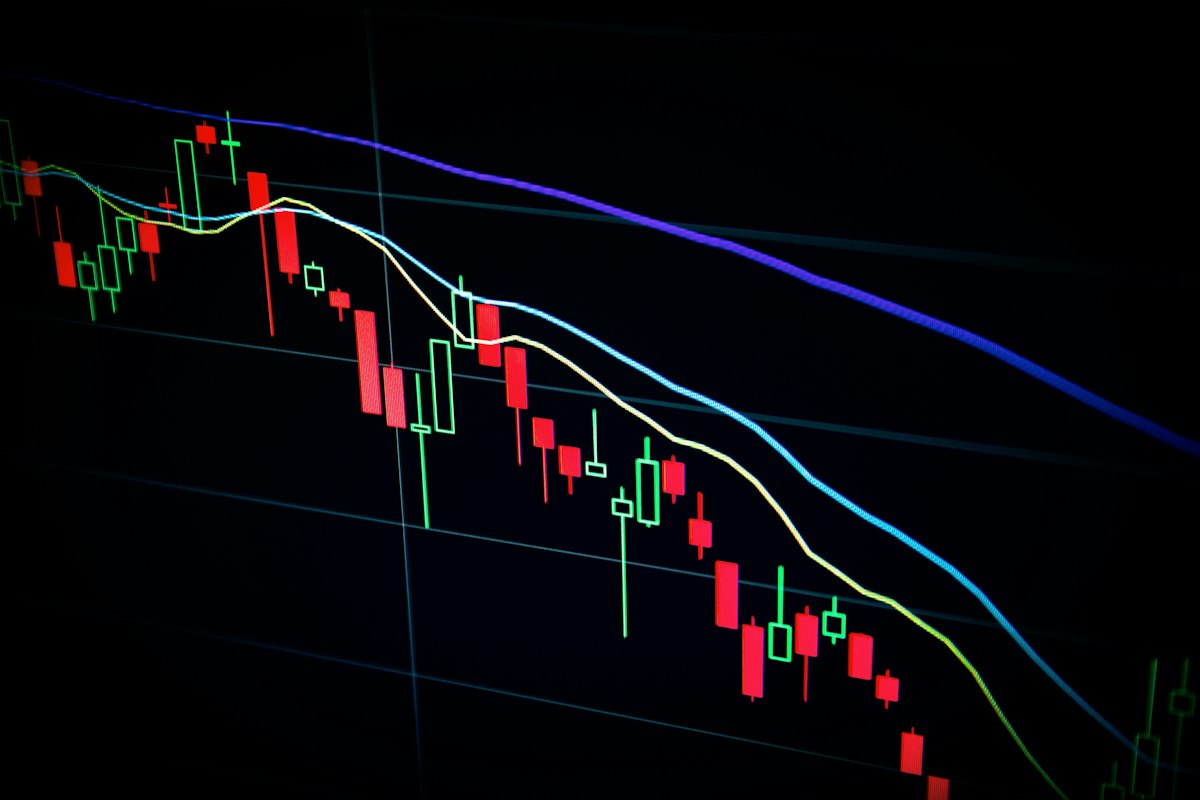
Bitcoin traded near sixty-seven thousand dollars on November 14, down on the week amid liquidations and weak U.S. spot demand reflected in a negative Coinbase premium index for fifty-one consecutive days. Enforcement headlines rarely move prices instantly; they shape medium-term institutional participation. Pension funds and corporate treasuries weighing crypto exposure read DOJ success stories as both reassurances (crime can be traced) and cautions (risk is real).
ETF outflows and Ethereum Foundation sales reported the same week add macro pressure distinct from law enforcement. Traders should not conflate seizure news with short-term bounce signals.
Implications for DeFi and bridges
Stolen funds often traverse decentralized exchanges and cross-chain bridges where governance is diffuse. Prosecutors increasingly pressure frontend operators, DNS registrars, and stablecoin freeze functions. Protocol founders should document helplessness versus complicity when asked to censor addresses—legal strategies differ.
Insurance and proof-of-reserves narratives gain currency after large CEX hacks. Users demanding merkle proofs should also ask about law enforcement playbooks: does the exchange maintain trace partnerships before incidents?
What retail holders should do
If you do not use Binance, still audit your opsec: passkeys, withdrawal whitelists, and skepticism toward "support" calls remain baseline. If you do, confirm account statements match onchain self-custody backups and enable every anti-phishing feature available.
Do not interpret seizure news as guaranteed refunds; recovery processes are legal and slow. Follow official exchange comms, not Telegram impersonators promising compensation forms.
Industry policy ripples
U.S. lawmakers pushed bans on government officials trading prediction markets the same week, showing bipartisan appetite to police speculative crypto-adjacent products. Hack enforcement fits a broader theme: legitimacy through prosecution. Exchanges that cooperated with investigators may receive softer regulatory treatment; those obstructing trace risk existential licensing threats.
A constructive outlook for builders
Transparent incident response, rapid user communication, and proactive law enforcement partnerships should be board-level priorities, not PR afterthoughts. Security investments are unevenly distributed across the industry; post-Binance, due diligence questionnaires from institutional counterparties will get longer.
The DOJ's billion-dollar seizures do not "fix" crypto crime, but they extend the time horizon bad actors must hide funds—raising costs and, slowly, deterring repeat attempts. For an industry pitching mainstream adoption, that deterrence is part of the product: trust that stolen coins are not anonymous forever, even if prices wobble in the meantime.
Exchange response playbook readers can reuse
If you operate a marketplace, rehearse a tabletop exercise: massive outflow detected, social channels exploding, law enforcement outreach within hours. Pre-draft user communications templates that distinguish between paused withdrawals and insolvency. Assign a single executive spokesperson; confusion during Binance-scale events amplifies panic withdrawals even when balance sheets are solvent.
Cold-storage policy should be boring and public: percentage thresholds, geographic distribution of signers, and audit frequency. Marketing teams hate publishing security detail until incidents force it; compliance-forward exchanges publish summaries proactively.
On-chain analytics for journalists
Reporters covering seizures should cite on-chain transaction IDs only when prosecutors release them in filings, not when anon dashboards speculate. Misidentified wallet clusters damage innocent users and complicate ongoing investigations. Pair crypto-native sources with DOJ press releases to separate confirmed freezes from rumor.
Stablecoin freeze policy and user rights
Tether and other issuers’ ability to freeze stolen USDT is a double-edged sword for decentralization narratives. Users benefit when stolen funds stop moving; they worry when freeze authority feels political. Document redemption rights and appeal paths in plain language on help centers—exchanges that explain issuer policies reduce support tickets during enforcement spikes.
Insurance and recovery expectations
User education should repeat an uncomfortable truth: seizures help prosecutors, not guarantee individual reimbursement timelines. Insurance products marketed as "hack protection" need plain exclusions; bloggers covering Binance should link to official recovery FAQ pages rather than implying government action restores wallets overnight. Cubed readers managing treasury positions should stress-test counterparty risk quarterly, not only price charts.
Connecting enforcement to the trading week
The same news cycle that featured billion-dollar seizures also featured bitcoin revisiting three-month lows and weak U.S. spot demand. Traders should not expect enforcement headlines to catalyze V-shaped recoveries; institutions often treat successful tracing as validation that long-term infrastructure is maturing, which helps allocations on years-long horizons more than intraday charts. Compliance-forward exchanges may see net inflows from allocators who previously cited crime opacity as a veto; retail sentiment can lag by weeks. Document your thesis in writing before conflating legal wins with price targets.
More in cryptocurrency
Cubed
Write about the technologies shaping the future.
For developers, founders, and curious minds exploring AI, crypto, Web3, and emerging tech—signal over noise.
One free account across In Plain English, Stackademic, Venture, and Cubed.
How it works- AI, crypto & Web3
- Software & emerging technologies
- Analysis & practical resources
- Thoughtful voices, not hype
Sign in
Google or GitHub
Complete profile
Takes a few minutes
Get approved & publish
Start sharing
Why write for Cubed?
The future deserves thoughtful voices, not just louder headlines.
Comments
Loading comments…