Deutsche Bank Prepares Institutional Crypto Custody in Germany
BTC, ETH, and select stablecoins anchor a MiCA-backed custody launch with Taurus, as tokenized assets and Circle's global expansion reshape institutional crypto plumbing.
6 min read
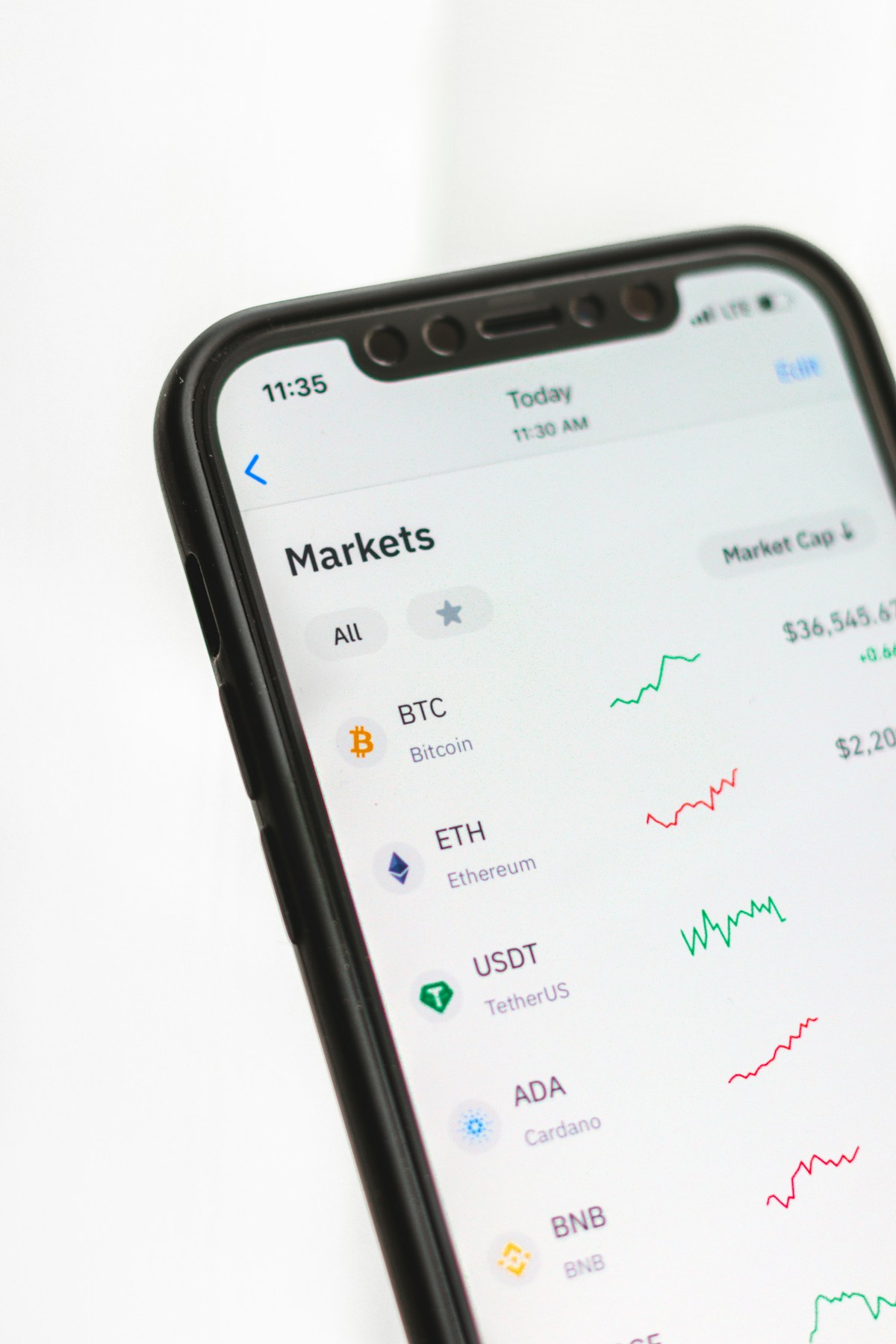
Deutsche Bank is preparing to launch institutional cryptocurrency custody in Germany, supporting Bitcoin, Ethereum, and select stablecoins, with a roadmap that points to Asian financial centers by 2027. The move, developed with infrastructure partner Taurus and reflected in BaFin entries on Europe’s interim MiCA register, signals that Europe’s largest banks no longer treat digital assets as a pilot confined to innovation labs. For crypto markets, it is another data point that custody—not trading hype—defines mainstream adoption.
Custody is the boring backbone of institutional crypto. Funds, corporates, and family offices need segregated accounts, audit trails, insurance wrappers, and reporting that satisfy regulators and boards. Retail exchanges optimized for app downloads cannot always provide that stack. Deutsche Bank’s service explicitly targets institutional clients in Germany first, not smartphone traders. That positioning mirrors State Street and BNY Mellon experiments in the United States, but with MiCA providing a clearer European rulebook than the patchwork U.S. regime in 2026.
What the launch likely includes
According to reporting this week, the bank plans to support BTC and ETH at launch, with stablecoins on a selective basis. Integration with Taurus suggests hardware security modules, policy engines for withdrawal approvals, and connectivity to trading venues without commingling client assets. Expect daily reconciliation, SOC-style controls, and interfaces for fund administrators. Tokenized deposits and digital securities appear on longer-term slides discussed with investors—custody as step one in a broader tokenization thesis.
BaFin authorization recorded on the interim MiCA register gives European clients a named supervisor. That matters for pension funds and insurers still scarred by FTX-era counterparty fears. A German global systemically important bank offering cold and warm storage changes RFP dynamics for asset managers launching crypto ETPs or tokenized money market funds.
Why Germany, why now
Germany has cultivated a pragmatic crypto posture within EU harmonization. Frankfurt’s role as a euro clearing hub makes it a logical beachhead before Deutsche Bank replicates offerings in Singapore or Hong Kong—the 2027 Asia expansion timeline cited in coverage. Meanwhile, Circle CEO Jeremy Allaire told reporters the stablecoin issuer is eyeing roughly forty developing markets, a parallel story of infrastructure chasing volume outside the U.S.-EU core.
Together, bank custody and stablecoin expansion describe a market maturing through pipes rather than memecoins. Chainalysis data cited in regional roundups showed tokenized real-world assets growing about 135 percent to roughly $36 billion—a separate but related trend where custody and settlement rails must handle securities tokens, not only BTC.
Competitive landscape
Crypto-native custodians—Coinbase Institutional, Anchorage, BitGo—compete on speed and API ergonomics. Banks compete on balance sheets, brand trust with boards, and existing relationship coverage. Deutsche Bank’s entry pressures fees and forces natives to deepen insurance and regulatory moats. It also validates bank-fintech partnerships like Taurus rather than every G-SIB building keys in-house.
Ripple’s partnership with Korea’s Meritz Securities, announced mid-October, shows the same pattern in Asia: securities firms licensing custody stacks instead of greenfield engineering. Kyobo Life, Kbank, and Jeonbuk Bank deployments in Korea illustrate how custody becomes the entry product before ETFs, security tokens, or won-denominated stablecoins.
Risks and open questions
Custody does not eliminate market risk. BTC and ETH remain volatile; stablecoins carry issuer and reserve transparency questions. Banks must articulate how they stress-test digital asset books alongside traditional rates exposure. Operational risk includes key ceremonies, insider threats, and smart-contract interactions if custody extends to on-chain staking or DeFi connectors—areas regulators scrutinize after high-profile exploits.
MiCA implementation is still uneven across EU members. Deutsche Bank’s German authorization is a anchor, but cross-border marketing to funds domiciled in Luxembourg or Ireland may need additional passports. Asia expansion in 2027 assumes local licenses—never automatic.
Implications for Web3 builders
Protocols pitching institutional use cases should design for bank-grade integrations: clear asset identifiers, support for proof-of-reserves attestations, and minimal bespoke smart-contract logic on custody paths. Token issuers hoping for distribution through private banks should expect long compliance cycles but higher stickiness once onboarded.
For retail participants, bank custody changes narrative more than immediate UX. You will not wake up to Deutsche Bank retail wallets next quarter. The indirect effect is safer wrappers for ETFs, structured products, and corporate treasuries holding crypto—deepening liquidity and reducing stigma in boardrooms.
Watching the rollout
Track BaFin register updates, first client announcements (likely asset managers, not influencers), and whether stablecoin support lists USDC, EURC, or bank-issued tokens. Compare fee schedules with Coinbase Prime and Fireblocks-backed banks. If Deutsche Bank ships on schedule, expect peer announcements from other European G-SIBs unwilling to cede custody fees.
Crypto’s 2026 storyline is increasingly indistinguishable from traditional market infrastructure: licenses, insurance, and settlement windows. Deutsche Bank’s custody launch is not a moonshot—it is plumbing. And plumbing is what lets the next trillion dollars consider digital assets without losing sleep.
Operational detail institutional clients will demand
Treasury teams onboarding to bank custody typically require SOC 1/SOC 2 reports, penetration test summaries, and named incident response contacts before moving test balances. Deutsche Bank’s integration with Taurus implies policy engines that can enforce multi-person approval for withdrawals above thresholds, time locks for new addresses, and geofencing for API keys. Fund administrators will ask how corporate actions—forks, airdrops, staking rewards—are recorded in NAV calculations. Clear answers accelerate RFP wins; hand-waving invites six-month delays.
Insurance wrappers matter as much as cold storage. Lloyd’s syndicates and specialty underwriters now offer digital asset riders, but pricing depends on key ceremony documentation and employee background checks. Banks have an advantage presenting bundled coverage to boards already comfortable with traditional custodial insurance. Crypto-native firms must buy standalone policies that can lapse if claims rise industry-wide.
Stablecoins and the developing-market angle
Circle’s reported push into roughly forty developing markets runs parallel to Deutsche Bank’s euro-focused custody. Stablecoins often become the settlement layer where local banking rails are slow or expensive. If Deutsche Bank’s stablecoin support leans toward regulated issuers with transparent reserves, it could bridge on-chain dollars and off-chain euro custody for multinational corporates. Compliance teams will still scrutinize travel rule data and beneficiary identification on chain—custody does not remove AML obligations.
Tokenized RWAs and the custody stack
Chainalysis-tracked growth in tokenized real-world assets above thirty-six billion dollars implies custody products must handle securities tokens, not only BTC and ETH. Deutsche Bank’s public slides mentioning tokenized deposits suggest ambition to custody bank-issued liabilities on chain. That requires legal opinions on finality, settlement windows, and investor disclosures distinct from commodity crypto treatment. Developers building RWA platforms should expect bank partners to demand whitelisted smart contracts and upgrade pause controls.
What skeptics will say—and how to respond
Critics argue banks arrived late and will cherry-pick profitable clients while leaving DeFi untouched. Proponents counter that pension capital will not touch self-custody multisigs at scale. The middle path—bank custody with optional self-custody withdrawal to personal wallets under enhanced KYC—may emerge if regulators bless it. Marketing teams at crypto protocols should prepare educational content explaining when bank custody helps versus when it adds friction.
Twelve-month monitoring plan
Quarterly, check BaFin register changes, announced clients, fee schedules versus Coinbase Prime, and whether Asian licenses file on schedule. Watch Deutsche Bank earnings calls for digital asset revenue lines—they start small but signal commitment. If launches slip, competitors gain narrative wins; if launches accelerate, expect follow-on products from Commerzbank, BNP Paribas, and Barclays.
More in web3

Cubed
Write about the technologies shaping the future.
For developers, founders, and curious minds exploring AI, crypto, Web3, and emerging tech—signal over noise.
One free account across In Plain English, Stackademic, Venture, and Cubed.
How it works- AI, crypto & Web3
- Software & emerging technologies
- Analysis & practical resources
- Thoughtful voices, not hype
Sign in
Google or GitHub
Complete profile
Takes a few minutes
Get approved & publish
Start sharing
Why write for Cubed?
The future deserves thoughtful voices, not just louder headlines.





Comments
Loading comments…