CryptoQuant Says Bitcoin's Next Leg Higher Needs USDT Supply to Stop Shrinking
Tether burns on Ethereum erased billions of dollars of stablecoin liquidity in sixty days, and analysts say history links bitcoin's record closes to expanding USDT issuance.
7 min read
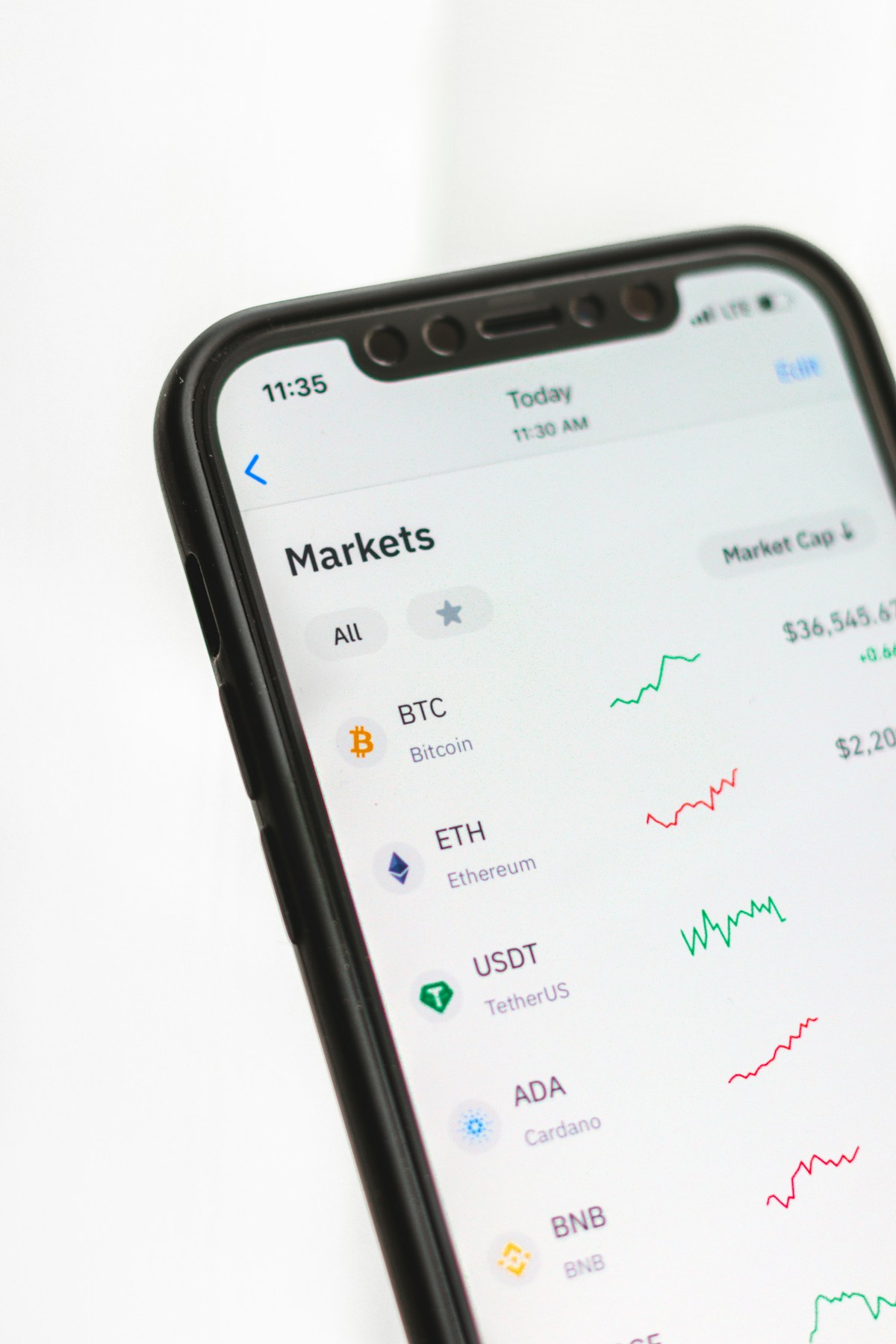
Stablecoin supply on the two blockchains that dominate dollar-token settlement contracted sharply in the weeks leading up to Thanksgiving 2026, and market analysts are debating what that withdrawal of dollar liquidity means for bitcoin's record-setting rally. CryptoQuant, in research published November 27, documented an $8.1 billion decline in USDT outstanding on Ethereum and Tron combined over a rolling sixty-day window—a pace of redemption and burn that stands out against several prior bull cycles. The firm's analysts noted a pattern that has become a quiet rule of thumb among quantitative desks: bitcoin has not historically printed all-time weekly closes during periods when aggregate USDT supply on those networks was unmistakably shrinking.
Tether Limited, issuer of USDT, burns tokens when customers redeem dollar balances, reducing on-chain supply. Issuance and burn flows therefore function as a coarse proxy for whether crypto-native dollar liquidity is entering or leaving the ecosystem that powers most spot and derivatives venues. Ethereum still carries the plurality of USDT for decentralized finance and institutional wallets; Tron remains the highway for Asian retail flow and many OTC bridges. Watching only one chain misses migration, but CryptoQuant's combined lens captures the bulk of economically relevant float.
Mechanics of USDT burns and liquidity
When a holder redeems USDT through Tether's official channels, tokens are sent to addresses that nullify them on-chain, and corresponding fiat reserves are wired off the platform subject to compliance checks. Burns appear as sharp single-block decreases in circulating supply metrics. Conversely, minting—often visible as large transactions from Tether's treasury to market-maker wallets—signals fresh dollar liquidity entering crypto rails.
Liquidity in this context is not merely "more dollars exist." It is the readiness of those dollars to sit on exchanges, collateralize perpetual swaps, and grease stablecoin-stablecoin arbitrage loops that keep basis trades tight. When USDT supply falls, market makers may widen quotes, funding rates may behave erratically, and altcoin pairs that depend on USDT depth can underperform even if bitcoin itself holds bid from macro buyers.
CryptoQuant's November 27 note dissected several large burn clusters on Tron in mid-November, alongside net outflows from Ethereum-based USDT pools that feed decentralized exchanges. The researchers cautioned against a single-cause story: redemptions can reflect profit-taking by OTC desks, regulatory-driven balance-sheet tidying, or rotation into other dollar instruments such as USDC or tokenized treasury products. Still, the aggregate net shrink exceeded what routine seasonal tax flows typically explain.
Bitcoin records without expanding stablecoins
Bitcoin's price action through late November 2026 has rewarded bulls who positioned for institutional acceptance narratives, halving-cycle seasonality, and persistent spot demand via exchange-traded products in multiple jurisdictions. Weekly closes near record territory captured headlines even as CryptoQuant's USDT gauge flashed contraction. The apparent tension—rising flagship asset, falling primary stablecoin supply—forces strategists to ask whether this bull leg is structurally different or whether stablecoin metrics are lagging indicators that will catch up if redemption pressure abates.
Historical overlays in the CryptoQuant report show episodes in 2019 and 2022 when bitcoin rallied or held highs while USDT on Ethereum and Tron flatlined or dipped, but those periods often coincided with migration to other stables or with BTC dominance surges that starved alt liquidity rather than with broad risk-on expansion. The current configuration, according to the authors, resembles a "narrow" rally: concentrated in bitcoin and a handful of liquid pairs, with thinner follow-through in long-tail tokens whose order books are USDT-denominated.
Some desk traders argue that registered investment flows into bitcoin do not require fresh USDT minting because they settle in fiat through custodial channels that never touch on-chain stablecoins. That thesis would decouple bitcoin's CME and ETF narratives from Tether's burn rate. CryptoQuant acknowledges the bifurcation but responds that derivatives on offshore venues still lean heavily on USDT margin; shrinking supply there can raise effective leverage costs even when spot ETFs absorb physical coins.
Tether burns in regulatory and macro context
Tether's transparency reports and attestations have long been a battleground for skeptics and defenders. Burns in 2026 arrive under intensified European stablecoin rules and ongoing U.S. litigation threads that encourage some institutions to limit counterparty exposure. Redemptions may therefore mix genuine user outflows with proactive risk reduction by funds that no longer want large USDT balances idle on chain.
Macro factors also matter. A stronger dollar index and elevated short-term rates can make Treasury bills and money-market funds more attractive than zero-yielding stablecoin parking, especially for firms that can access banking directly. When those firms redeem USDT, burns accelerate without implying bearish crypto views—merely balance-sheet optimization.
Tron's share of the burn activity noted by CryptoQuant revived debates about network concentration and the geography of USDT users. Compliance analysts point out that Tron flows often mirror remittance and gaming use cases sensitive to fee spikes on Ethereum. A Tron-heavy burn profile may signal retail or regional stress rather than institutional exit from bitcoin itself.
What quant desks are watching next
Beyond the headline $8.1 billion figure, researchers track velocity: how quickly re-minted USDT returns after burns, and whether mints concentrate on exchanges with known market-maker relationships. CryptoQuant highlighted a modest uptick in Ethereum mints in the final week of November that could, if sustained, reverse the sixty-day trend without requiring bitcoin to correct.
Funding rates on perpetual swaps denominated in USDT offer a near-real-time complement. When supply shrinks but funding stays positive, longs are still paying shorts—a bullish skew inconsistent with deep deleveraging. Conversely, negative funding during supply contraction would hint at forced unwinds. As of the November 27 publication cut-off, mixed signals across venues prevented a unanimous call.
On-chain realized profit metrics for bitcoin add another layer. Holders moving decade-old coins to profit amid stablecoin shrinkage might indicate OG distribution into strength while newer liquidity providers pull dollars from the sidelines. That combination can extend headline prices even as internal market breadth deteriorates—a setup quants describe as fragile momentum.
Implications for traders and policymakers
For retail participants, the lesson is not to treat USDT supply as a single magic indicator, but to read it alongside ETF flow data, miner behavior, and cross-exchange spreads. A record bitcoin close during shrinking USDT is a warning that the rally may be financing itself through fiat rails and coin-only rotation rather than through expanding stablecoin fuel. That can be sustainable until it is not—often around catalyst weeks when leveraged longs need fresh margin.
Policymakers monitoring systemic risk from crypto-dollar linkages pay attention to burn spikes for a different reason: rapid redemption stress tests Tether's reserve liquidity and banking partners. No major 2026 incident accompanied the $8.1 billion decline, suggesting operational resilience, but supervisors nonetheless catalog stablecoin shrink episodes as empirical data for future stress scenarios.
Tether representatives, when asked by trade press following the CryptoQuant note, reiterated that mint and burn reflect customer demand and that reserves remain in line with policies published on their site. Independent verification still relies on third-party reports rather than continuous on-chain reserve proofs, leaving analytics firms like CryptoQuant as indispensable interpreters of supply deltas.
Connecting the dots without false precision
Crypto markets reward narratives; data vendors punish overfit ones. The sixty-day $8.1 billion USDT decline on Ethereum and Tron is a measurable fact. The proposition that bitcoin record closes "never" occur during such shrinkage is a stylized empirical regularity with exceptions and definitional sensitivities. November 2026 may become another exception—or the start of a correction once stablecoin supply stabilizes and reveals whether buyers were there all along.
Until then, burns will continue to flicker across block explorers, each one a small bonfire of digitized dollars leaving the crypto pool. Whether bitcoin's highs endure above that receding liquidity tide depends on forces USDT metrics alone cannot capture: macro rates, ETF shelf space, and the stubborn conviction of holders who no longer need stablecoins to express their view. CryptoQuant's contribution is to make the tide visible, not to decree the weather.
More in cryptocurrency

Cubed
Write about the technologies shaping the future.
For developers, founders, and curious minds exploring AI, crypto, Web3, and emerging tech—signal over noise.
One free account across In Plain English, Stackademic, Venture, and Cubed.
How it works- AI, crypto & Web3
- Software & emerging technologies
- Analysis & practical resources
- Thoughtful voices, not hype
Sign in
Google or GitHub
Complete profile
Takes a few minutes
Get approved & publish
Start sharing
Why write for Cubed?
The future deserves thoughtful voices, not just louder headlines.




Comments
Loading comments…