CME Lists Uniswap UNI Futures, Putting DeFi on Regulated Rails
CME Group began live UNI futures Oct 19 with 10,000- and 1,000-token contracts, cash-settled to the CME CF rate—the first DeFi governance token on the exchange.
7 min read
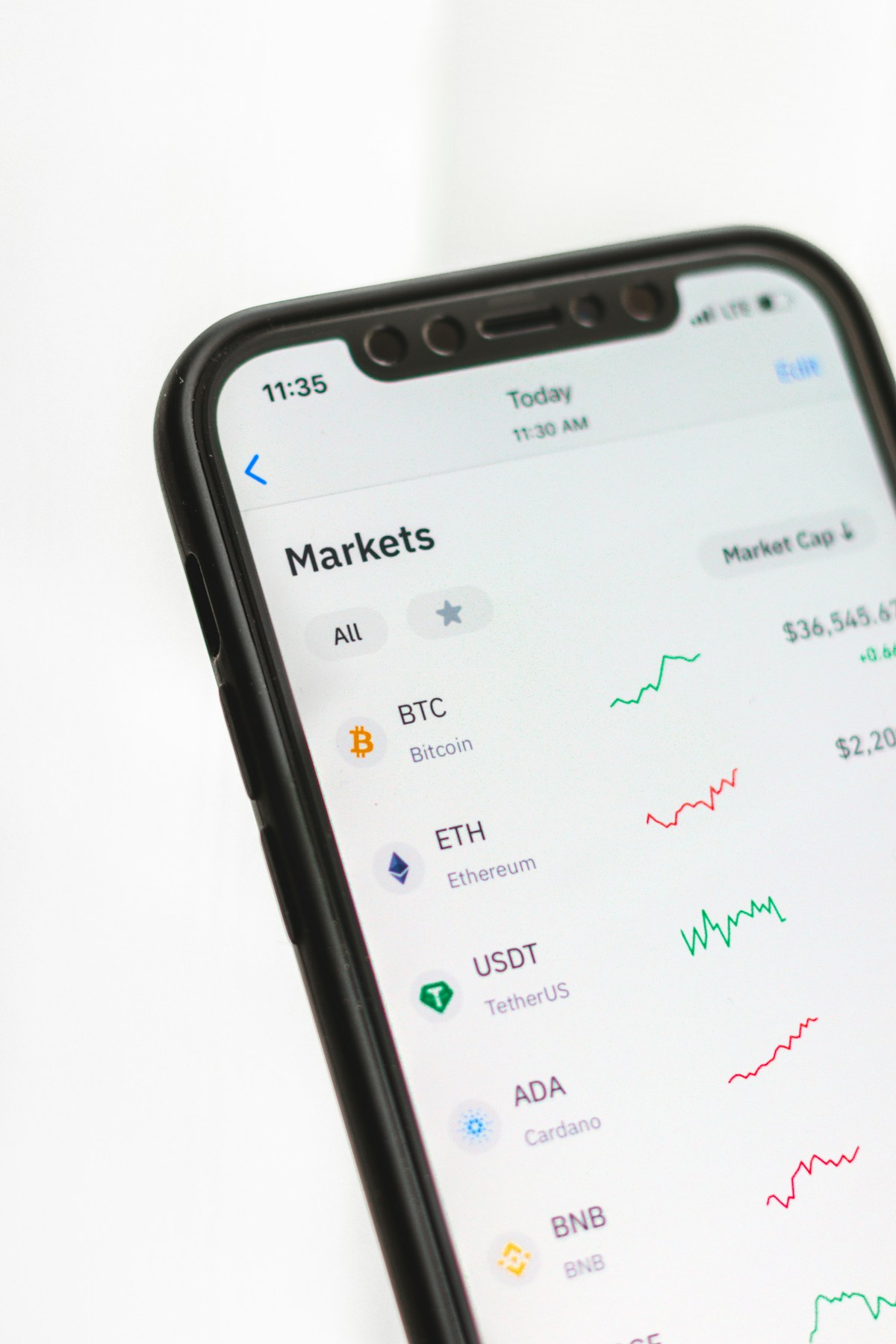
DeFi governance meets the clearinghouse
The Chicago Mercantile Exchange began live trading of Uniswap UNI token futures on October 19, 2026, a milestone that places one of decentralized finance's best-known governance tokens on the same regulated rails as Bitcoin and ether derivatives. CME Group listed two contract sizes: a standard contract representing ten thousand UNI and a micro contract representing one thousand UNI. Both are cash-settled against the CME CF Uniswap-Dollar Reference Rate, avoiding physical delivery of tokens while still giving institutions a price-discovery venue subject to CFTC oversight.
For years, UNI traded primarily on centralized crypto exchanges and automated market maker pools. Futures on the CME change the participant mix. Hedge funds, commodity trading advisors, and corporate treasurers that were barred by mandate from touching offshore spot venues can now express views or hedge exposures through a clearing member they already use for rates and equities index futures.
Contract specifications and settlement mechanics
Cash settlement means that at expiration, the exchange calculates the difference between the contract price and the reference rate, then debits or credits margin accounts accordingly. The CME CF rate aggregates prices from constituent exchanges according to a published methodology, similar to the bitcoin reference rate institutional traders already trust for BTIC and options products.
The ten-thousand-UNI size targets professional desks running larger books, while the one-thousand-UNI micro contract lowers the barrier for smaller asset managers testing strategies. Tick sizes and margin requirements were published in CME's product circulars ahead of the launch; they will move with realized volatility as open interest builds.
Why UNI first among DeFi tokens
UNI is the governance token of Uniswap, the largest decentralized exchange protocol by volume on Ethereum and expanding chains. Choosing UNI as the first DeFi-native listing reflects liquidity depth, brand recognition, and the protocol's centrality to on-chain trading. Other governance tokens lack comparable spot volume or face sharper controversies over insider allocations and regulatory classification.
CME's decision does not imply endorsement of Uniswap's corporate structure—there is no issuer in the traditional sense—but it does recognize that UNI has become a macro variable for crypto beta. When Uniswap Labs ships fee switches or new chain deployments, UNI often reprices. Futures give macro desks a way to trade those narratives without holding wallets or navigating bridge risk.
Institutional demand and basis trades
Market makers on the CME typically hedge spot or perpetual exposure elsewhere, creating arbitrage links between regulated futures and offshore venues. On launch day, analysts watched the basis between CME UNI futures and Binance or Coinbase spot for signs of constrained arbitrage capital. Tight basis suggests mature connectivity; wide basis signals friction in borrowing UNI for hedges or transferring collateral across jurisdictions.
Institutional demand may also come from protocols and treasuries. Uniswap's own treasury holds UNI, and other DAOs stack governance tokens as strategic reserves. Futures allow treasury managers to lock in values for budgeting while retaining governance votes in spot wallets—a separation that was awkward before listed derivatives existed.
Regulatory framing in the United States
The CFTC has long asserted jurisdiction over crypto derivatives, while the SEC debates which spot tokens are securities. Listing UNI futures does not resolve that debate for spot UNI, but it places spot holders in a familiar regulatory context when they hedge. Compliance officers who approved Bitcoin futures in 2017 and ether futures later can extend playbooks to UNI with updated risk disclosures.
The October 19 go-live also arrives as U.S. policymakers discuss market structure bills that could bring more crypto products into federal oversight. CME's expansion is a practical data point: regulated venues are willing to list DeFi-linked instruments if reference rates and surveillance tools meet their standards.
Impact on Uniswap Labs and the DAO
Uniswap Labs, the company behind the protocol's development, has faced SEC scrutiny over its interface and fee mechanisms. A CME listing neither helps nor hurts those legal fights directly, but it elevates UNI's profile among traditional finance professionals. DAO delegates may debate whether to engage with institutional users through education or governance proposals that align protocol fees with long-term sustainability.
Liquidity providers on Uniswap v3 and v4 pools might see correlated flows as arbitrageurs move spot to match futures. Extreme moves could stress thin pools on L2 networks, though mainnet depth for UNI pairs remains substantial.
Comparison to offshore perpetuals
Offshore exchanges have traded UNI perpetual swaps for years with high leverage. CME futures use centralized clearing, standardized margin, and daily mark-to-market through clearinghouses—features that reduce counterparty risk relative to many crypto-native venues. Leverage is typically more conservative, which suits pension-style mandates.
Traders who thrive on twenty-five-times leverage may stay offshore; traders who need ISDA relationships and CFTC-regulated statements will migrate activity. Volume migration is gradual; bitcoin futures took years to rival spot ETF flows, though the trajectory accelerated after institutional adoption.
Risk disclosures investors should read
UNI remains volatile, correlated with ether and broad crypto risk appetite. Governance decisions can gap prices overnight if proposals pass unexpectedly. Smart-contract risk on Uniswap itself is separate from futures counterparty risk but influences spot. CME's risk committees can raise margins quickly during stress, forcing deleveraging that spills into spot markets.
Investors should also understand oracle risk in the reference rate. If a constituent exchange suffers an outage or manipulation, the CF index methodology includes rules for handling bad prints, but controversies can still arise.
Web3 culture meets TradFi paperwork
For Web3 natives, seeing UNI on a CME ticker symbol validates a narrative that decentralized protocols produce assets worthy of mainstream market infrastructure. For TradFi veterans, it is another line item beside micro ether and solana contracts. The cultural collision shows up in onboarding: clearing firms must train staff on wallet-less settlement while crypto natives learn about performance bonds and delivery notices they will never physically receive.
Broader DeFi derivative roadmap
Industry participants speculate whether other tokens—Aave, Maker, or chain-native gas tokens—could follow if UNI futures gather liquidity. CME historically expands suites when open interest and client surveys justify development costs. October 19 is day one; sustained volume matters more than launch headlines.
Cross-margining with bitcoin and ether futures could attract portfolio hedgers running multi-asset crypto books. That functionality depends on clearinghouse risk models and may arrive in later releases.
Global exchanges watching Chicago
European and Asian derivatives venues have listed crypto futures with varying success. CME's UNI launch will be studied by competitors deciding whether DeFi governance tokens merit their own contracts or belong in basket products. Regulatory divergence remains: MiCA in Europe classifies crypto assets differently than U.S. agencies, affecting which firms can trade.
Practical takeaways for builders
Developers building on Uniswap should recognize that institutional hedging can dampen volatility or amplify it during stress, depending on positioning. Protocol upgrades that affect fee switches may become catalysts tracked by futures open interest. Analytics platforms that merge on-chain data with CME volume will be in demand.
Synthesis
CME's listing of Uniswap UNI futures on October 19, 2026, marks the first time a prominent DeFi governance token has a U.S. regulated futures market with standardized sizes and cash settlement to the CME CF reference rate. The move bridges decentralized exchange culture and clearinghouse discipline, opening doors for institutions that previously sat on the sidelines.
Whether UNI futures become a liquid macro instrument or a niche hedge depends on arbitrage capital, margin policy, and the evolving legal treatment of DeFi tokens. For now, the launch is a symbolic and practical step toward putting decentralized finance on regulated rails without pretending that on-chain innovation can be separated from global market structure.
More in web3

Cubed
Write about the technologies shaping the future.
For developers, founders, and curious minds exploring AI, crypto, Web3, and emerging tech—signal over noise.
One free account across In Plain English, Stackademic, Venture, and Cubed.
How it works- AI, crypto & Web3
- Software & emerging technologies
- Analysis & practical resources
- Thoughtful voices, not hype
Sign in
Google or GitHub
Complete profile
Takes a few minutes
Get approved & publish
Start sharing
Why write for Cubed?
The future deserves thoughtful voices, not just louder headlines.
Comments
Loading comments…